 Attack on Titan 3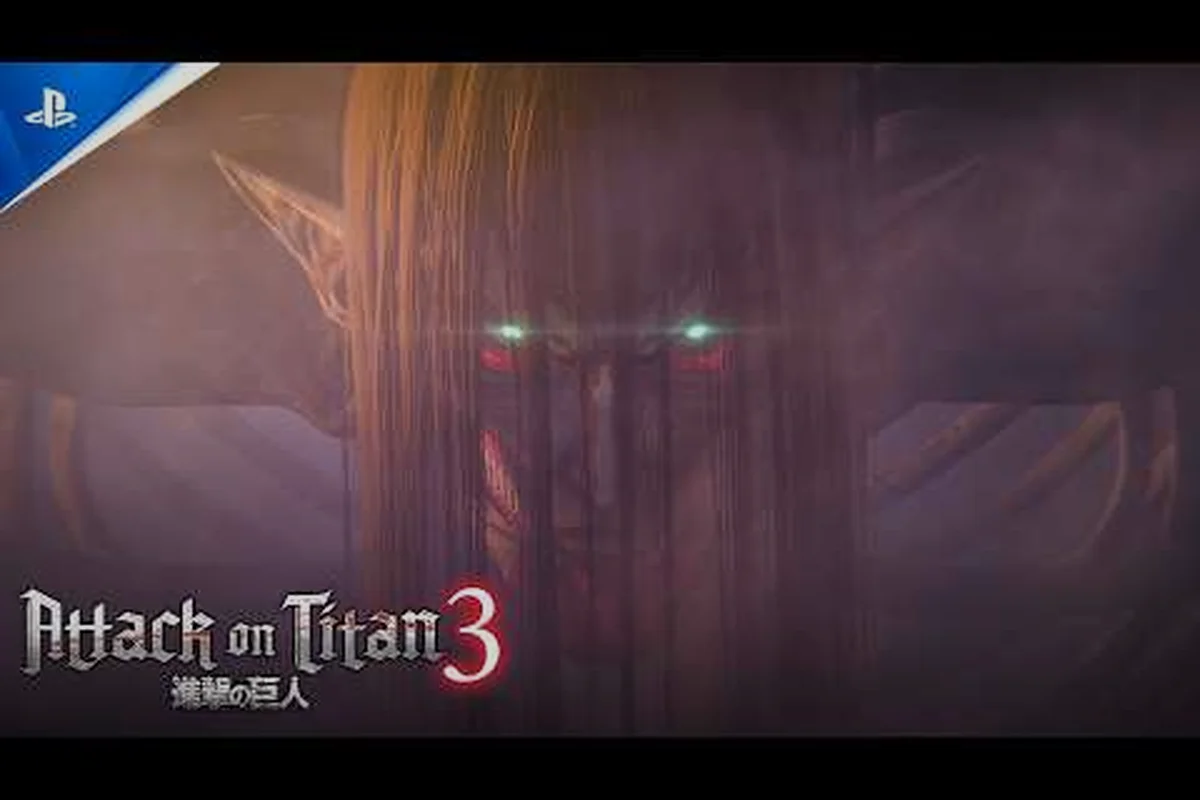
Jump into KOEI TECMO's massive adaptation of the anime saga with this Attack on Titan 3 beginner guide that covers release timing, the Casual Mode toggle, and the Nine Titan boss roster. The game launches December 9, 2026, with Advance Access opening December 6, so first-week recruits need a battle plan before they even boot the menu. Picking the right starting settings and grasping the redesigned Buddy Arts mechanic are the two decisions that decide whether your first scouting mission ends in a clean extraction or a squad wipe.
Getting Started with Attack on Titan 3
The first decision every new player makes on launching Attack on Titan 3 is choosing between Standard Controls and Simple Controls (Casual Mode). Simple Controls streamlines the ODM gear so a single button launches both anchors and auto-aims the trajectory toward the nearest nape, which removes the steep aerial combat curve that defined earlier entries. If you came from AOT2 and still remember the manual wire management, you can switch back to Standard Controls at any point from the options menu, but most newcomers report that a single difficulty knob change makes the first three hours dramatically smoother.
The second decision is the Edition. The game releases on PS5, Xbox Series X|S, Switch 2, and PC with three SKUs:
| Edition | Contents | Best For |
|---|---|---|
| Standard | Base game, default outfits | Returning fans who pre-ordered AOT2 |
| Digital Deluxe | Base game, art book, 3 bonus outfits, 7 customization items | Players who want cosmetic options from day one |
| SteelBook Launch | Physical box, deluxe digital extras, Wings of Freedom Earrings pre-order bonus | Collectors and anime completionists |
Carrying over an AOT2 save file grants legacy bonuses that veteran players have documented on community forums, so check your previous library before launch day.
The third early choice is your starting Survey Corps assignment. The early roster locks you into a branch specialization — Scouting Regiment for outdoor missions, Garrison Regiment for wall defense, or Military Police for story-focused interior chapters. Beginners who want a balance of combat and exploration usually pick Scouting Regiment, because the Exterior Scouting Missions are the primary way to earn upgrade materials during the opening arc.
Game Modes and Difficulty
Attack on Titan 3 ships with four difficulty tiers (Citizen, Soldier, Veteran, Commander) plus a separate Story Mode toggle that reduces enemy aggression during cutscenes. According to community data shared after the beta, Commander is where the permanent death mechanic for wounded squadmates actually punishes reckless play, while Citizen difficulty was tuned so even a player who has never touched an ODM trigger can clear the prologue without losing a soldier.
Understanding the Nine Titans and Combat Pacing
The Nine Titans return as the marquee boss encounters of the campaign, and each one behaves differently from the regular Abnormal Titans roaming the fields. Learning their moveset categories is faster than memorizing every telegraph, which is why this section of the Attack on Titan 3 walkthrough groups them by attack style rather than lore order.
| Titan | Threat Type | Recommended Counter |
|---|---|---|
| Armored Titan | Heavy bruiser, blocks frontal nape strikes | Aim for exposed back limbs after a guard break |
| Beast Titan | Long-range boulder throws | Boost Move to reposition outside the line-of-fire circle |
| Female Titan | Mid-range grappler, fast chase | Stagger with repeated nape cuts to break her pursuit |
| Colossal Titan | AoE steam burst when cornered | Maintain vertical distance, retreat behind cover |
| Jaw, Cart, Warhammer variants | Mixed roles, scripted patterns | Watch for the glow telegraph before commitment |
These encounters appear across the campaign and certain Exterior Scouting Missions, and according to the official press notes from GamesPress, they are designed as boss battles rather than scripted story moments, which means your squad composition and Combat Arts loadout matter more than dialogue choices.
Combat Arts vs Buddy Arts
Understanding the new ability split is the single biggest upgrade to your damage output during the opening act. Developers explained during the gameplay presentation that Buddy Arts are squad-based combo abilities triggered when an ally is within striking distance, while Combat Arts are the high-damage individual techniques inherited from AOT2. The third layer, Boost Move, is a burst-dash that lets you reposition or escape a Titan grab in the middle of an animation chain.
| Ability | Trigger | Damage Tier | When to Use |
|---|---|---|---|
| Combat Arts | Single button + directional input | High | Open windows after a stagger |
| Buddy Arts | Ally proximity prompt | High (sustained) | Group fights and boss phase transitions |
| Boost Move | Dodge button when grappled | Zero (movement) | Emergency evasion or chase re-engagement |
Run the Attack on Titan 3 how-to-play training drills twice if you can — once for muscle memory on each layer, because during a real boss fight you will cycle all three inside a five-second window.
Exterior Scouting Missions and Squad Management
The biggest mechanical addition in this entry is Exterior Scouting Missions — outdoor operations where you lead a squad beyond the walls, manage fuel and blade durability, and make advance-or-retreat decisions that decide whether a route becomes a clean extraction or an attrition grind. According to the SimulationDaily overview, these missions also introduce a squad morale system that compounds your combat performance: morale rises when scouts survive clean encounters and falls sharply when wounded soldiers are left behind. Carrying a wounded ally back to a supply base can save their life but costs morale from teammates who have to slow down.
Resource Budget and Advance-or-Retreat
Each scouting run begins with a finite resource budget split across ODM fuel canisters, replacement blades, and medical supplies. New players consistently make the mistake of fueling aggressively on the way in, only to find their tanks dry during the final extraction leg, because returning scouts use fuel at the same burn rate they used on the approach. The disciplined approach is to budget two-thirds for the return trip.
| Resource | Early Game Consumption | Mid Game Consumption | Late Game Consumption |
|---|---|---|---|
| Fuel | 1 canister per 90 seconds | 1 per 120 seconds | 1 per 180 seconds |
| Blades | 1 per 2 Titans | 1 per 3 Titans | 1 per 4 Titans |
| Medical | 1 charge per wounded rescue | 2 charges per wounded rescue | 3 charges per wounded rescue |
The advance-or-retreat meter pops up after each encounter and the choice telegraphs future drops. Retreating preserves squad HP but rolls back the morale bonus; advancing risks a tougher next wave but stacks morale to boost Combat Art damage on the following fight. Beginners should advance whenever the meter shows a green checkmark next to squad readiness, and retreat whenever it shows a yellow warning, because the warning is calibrated to roughly 40% chance of losing a permanent squad member.
Building Supply Bases
Supply bases are mid-mission checkpoints you construct by interacting with a flagged debris pile. They refill your medical supplies and let you fast-travel back to the wall once per mission, but building one costs a chunk of the secondary resource pool. Save your first base for the midpoint of the route rather than the opening encounter, because the densest Titan density tends to occur in the second half of every Exterior Scouting track. For players looking to expand their Survey Corps playbook, the story mode walkthrough covers how morale bonuses carry over into the main campaign and which missions reward the highest base-building bonus currency.
ODM Gear Progression and Customization
Your ODM gear can be upgraded through a research tree that mirrors the gear component breakdown: gas pressure, wire spool length, blade sharpness, and trigger responsiveness. Each tier improves one tangible stat, so matching the upgrade path to your mission role is far more effective than spreading points evenly. The new Ankle Hook stability stat also matters more than expected, because the redesigned aerial physics punish low-stability builds with frequent wobble that breaks grappling lines.
| Gear Part | Primary Stat | Priority for Beginners |
|---|---|---|
| Gas Cylinders | Aerial maneuver duration | Upgrade first |
| Wire Spools | Grappling range | Upgrade second |
| Blade Sets | Damage and durability | Upgrade third |
| Ankle Hook | Stability and reduce wobble | Save for mid game |
Beginners who main Scout Regiment should prioritize Aerial Maneuver Duration first, because the longer you can stay airborne, the more Boost Move chains you can land before touching ground. Once your duration stays above 12 seconds per refill, shift to grapple range so you can close the distance to distant Titans without burning your gas reserves.
Outfits and Cosmetic Bonuses
Each costume carries both a visual set and a hidden stat modifier. The Wings of Freedom Earrings, included as a pre-order bonus with the SteelBook Launch Edition, grant a small morale bonus that compounds during squad-heavy chapters. The Digital Deluxe Edition's three extra outfits unlock cosmetic-only outfits that can be equipped once the campaign reaches the Liberated District arc, so don't expect to wear your favorite costume on day one. Details are confirmed on the KOEI TECMO America official page.
Beginner Tips and Progression Strategy
The single most important piece of Attack on Titan 3 tips and tricks advice is to stop trying to kill every Titan in the field. The objective-based scoring routes extra resources toward objective completion, not over-aggressive slaying, and abandoning a half-depleted nape to chase a fleeing Abnormal Titan in a side route is the most common cause of failed scavenging runs.
Early-Game Priority Upgrades
Budget your early upgrade points in this exact order, because the campaign doesn't offer respec until post-game:
-
Aerial Maneuver Duration to keep you in combat air time longer.
-
Wire Spool Range so you can engage distant Abnormal Titans without spending fuel on approach.
-
First Aid Capacity to extend the medical window during rescue missions.
-
Blade Sharpness to reduce the durability decay per cut.
-
Ankle Hook Stability once you have a stable combat rotation.
Squad Composition Rules
A squad of four specialists should always include at least one heavy blade user, one ranged support with signal flares, and two balanced hybrids who can swap between roles mid-mission. Beginners who try to run four damage dealers hit a wall when morale drops and nobody has the medical kit to stabilize a wounded scout. For a deeper breakdown of build synergies and chapter-by-chapter composition advice, the tips and tricks hub covers specialist loadouts and morale math in detail.
Reading the Telegraph
Titan animations have a visual cue before every dangerous attack, and the dev team designed the cues to be readable without a slowdown effect. The glow telegraph before a grab attack gives you roughly 1.2 seconds to Boost Move out, while the steam burst warning before a wide-area swing allows 0.8 seconds for a vertical dodge. Practice reading these telegraphs in the early Exterior Scouting Missions, because they appear identically on all Nine Titan boss fights later.
Saving and Squad Replacement
Permanent death is real on Commander difficulty, and the game grants exactly one auto-save slot per chapter. If you lose a soldier, you cannot reload that chapter from a menu; you have to restart from the last cutscene. Many players report saving the auto-save backup by doing the Sasha-style retreat strategy: withdrawing the squad to the previous supply base immediately after a tight encounter, then pushing forward only after morale has been restored.
If you're still unsure which entry point suits your playstyle — whether to begin with the prologue chapter, the open-world-like scouting layer, or the post-game Nine Titan gauntlet — the how to play primer walks through the chapter unlock order and the recommended first mission for each Survey Corps branch.
Frequently Asked Questions
What is the best beginner build for Attack on Titan 3?
A balanced Scout Regiment build with priority investment in Aerial Maneuver Duration and Wire Spool Range lets new players stay airborne longer and reach distant Titans without draining fuel. Save Blade Sharpness and Ankle Hook Stability for the mid-game unlock window, where the stats compound noticeably.
Is Casual Mode worth using?
Yes, on your first playthrough if you want to focus on story pacing. Simple Controls auto-aim the ODM grapple and flatten the input curve, which is helpful during the opening prologue where every other system is being introduced, and you can switch to Standard Controls from the pause menu without losing progress.
How long is the Attack on Titan 3 campaign?
The main story runs roughly 35 to 45 hours depending on your mission completion rate, with Exterior Scouting Missions and post-game Nine Titan gauntlets adding another 20 to 30 hours. Players chasing 100% completion reports clock close to 70 hours before the credits roll a second time.
Does Attack on Titan 3 have co-op?
No — every Exterior Scouting Mission and Nine Titan boss encounter is single-player, though the Buddy Arts mechanic simulates squad-based combos through AI-controlled allies. Players who want the same squad playstyle should look at the broader combat loop rather than dedicated co-op.
What carries over from AOT2 save data?
Community testers have reported that an AOT2 save unlocks legacy uniforms for the opening roster, plus a small morale bonus that carries into the first story arc. The full bonus list is not yet public, so check the KOEI TECMO patch notes after launch for the confirmed list.
What's your first Survey Corps assignment going to be — Scouting Regiment, Garrison Regiment, or Military Police? Drop your pick in the comments below, and if this Attack on Titan 3 complete guide helped you survive your opening run, share it with your squad leader so the whole regiment benefits.